Your Gateway to the Future of AI and Innovation Unlock the power of AI and innovation with cutting-edge technology, shaping the future today

AI in Finance (Fraud Detection, Stock Market Predictions): Transforming the Financial Industry

Artificial Intelligence (AI) is revolutionizing the financial sector by enhancing security, improving decision-making, and optimizing investment strategies. One of the most impactful areas of AI in finance is its application in fraud detection and stock market predictions. As financial transactions become increasingly digital, AI-driven technologies provide more robust security measures and predictive analytics, ensuring efficiency and accuracy in financial markets.

AI in Finance (Fraud Detection, Stock Market Predictions): Enhancing Security and Investment Strategies



1. AI in Fraud Detection

Financial fraud is a major concern for banks, businesses, and consumers. AI in finance (fraud detection, stock market predictions) plays a crucial role in identifying fraudulent activities in real-time. Traditional fraud detection methods rely on static rule-based systems, whereas AI-powered fraud detection leverages machine learning algorithms to detect anomalies and patterns indicative of fraud.

How AI Detects Fraud:

  • Behavioral Analysis: AI monitors user behavior and transaction patterns to detect unusual activities.
  • Machine Learning Models: AI algorithms analyze vast amounts of transaction data to identify fraudulent activities.
  • Real-Time Monitoring: AI-powered systems provide instant alerts when suspicious transactions occur.
  • Facial Recognition & Biometric Authentication: AI enhances security by verifying user identities before transactions are approved.

With AI in finance (fraud detection, stock market predictions), financial institutions can significantly reduce fraud-related losses and enhance customer trust by ensuring safer transactions.

2. AI in Stock Market Predictions



The stock market is highly volatile, making accurate predictions challenging. AI in finance (fraud detection, stock market predictions) is transforming investment strategies by analyzing historical data, market trends, and investor sentiment to predict stock price movements more accurately.

How AI Predicts Stock Market Trends:

  • Sentiment Analysis: AI scans financial news, social media, and company reports to gauge market sentiment.
  • Technical Analysis: AI analyzes historical price movements and patterns to predict future trends.
  • Neural Networks & Deep Learning: AI models simulate human decision-making processes to enhance stock predictions.
  • Algorithmic Trading: AI-driven algorithms execute trades at optimal times to maximize profits.

AI in finance (fraud detection, stock market predictions) enables traders and investors to make data-driven decisions, reducing risks and improving returns.

3. The Benefits of AI in Finance (Fraud Detection, Stock Market Predictions)

The integration of AI in finance (fraud detection, stock market predictions) offers numerous benefits, including:

  • Increased Efficiency: AI automates complex financial processes, reducing human errors and improving accuracy.
  • Faster Fraud Detection: AI detects fraudulent activities within milliseconds, preventing financial losses.
  • Improved Decision-Making: AI-driven insights help investors make well-informed financial decisions.
  • Cost Reduction: AI reduces operational costs by automating fraud detection and market analysis.
  • Enhanced Security: AI-powered authentication methods strengthen cybersecurity in financial transactions.

4. Challenges and Ethical Considerations

Despite its advantages, AI in finance (fraud detection, stock market predictions) comes with challenges and ethical concerns:

  • Data Privacy Issues: AI relies on vast amounts of sensitive financial data, raising concerns about data security.
  • Bias in AI Models: If trained on biased data, AI predictions may be skewed, leading to unfair financial decisions.
  • Regulatory Compliance: Financial institutions must ensure AI-driven solutions comply with legal regulations.
  • Over-Reliance on AI: While AI enhances decision-making, human oversight remains essential to avoid market manipulation.

5. The Future of AI in Finance (Fraud Detection, Stock Market Predictions)

AI will continue to evolve, bringing even more advancements to finance. Future developments in AI in finance (fraud detection, stock market predictions) may include:

  • Advanced Fraud Prevention: AI will integrate blockchain technology for enhanced security.
  • AI-Powered Robo-Advisors: AI-driven financial advisors will provide personalized investment strategies.
  • Quantum Computing in Finance: AI will leverage quantum computing for faster and more accurate stock market predictions.
  • AI in Risk Management: AI will improve risk assessment models, minimizing financial losses.

Conclusion

AI in finance (fraud detection, stock market predictions) is revolutionizing the financial industry by improving security and investment strategies. From detecting fraudulent activities in real-time to making accurate stock market predictions, AI enhances efficiency and decision-making. Despite challenges, the future of AI in finance (fraud detection, stock market predictions) looks promising, with continuous advancements ensuring a safer and more profitable financial ecosystem.

Financial institutions, investors, and traders must embrace AI in finance (fraud detection, stock market predictions) to stay ahead in the competitive financial landscape. As AI continues to evolve, its role in shaping the future of finance will only become more significant.


The Future of AI in Education: Transforming Learning in the Digital Age

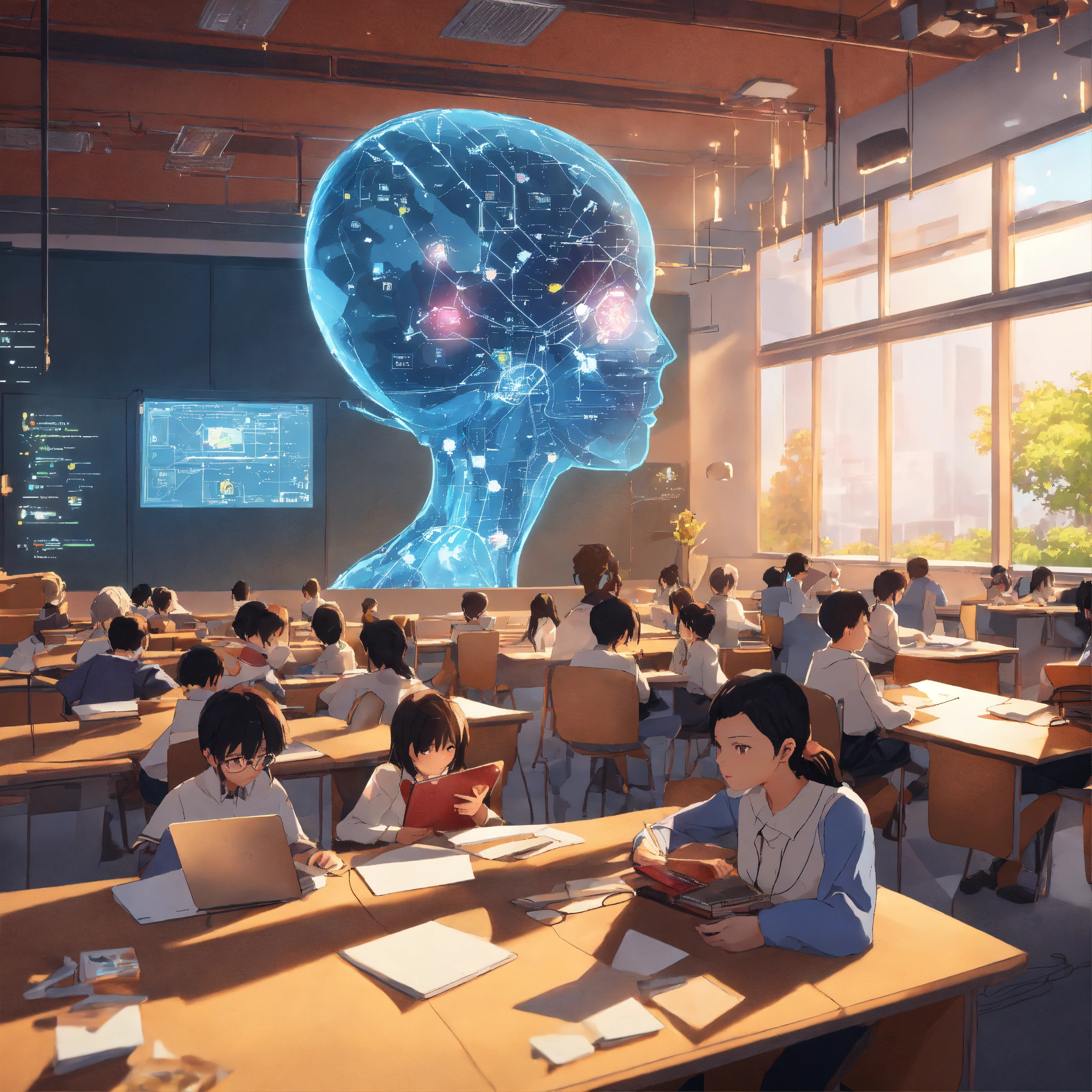
Artificial Intelligence (AI) is revolutionizing education, making learning more personalized, efficient, and accessible. With advancements in AI, the education sector is experiencing a shift toward smart classrooms, adaptive learning, and automated administrative processes. The future of AI in education promises even greater innovations, enhancing student engagement and teacher effectiveness.

In this article, we will explore the future of AI in education, its potential impact, and how it is set to redefine the learning experience.


1. Personalized and Adaptive Learning

One of the most significant aspects of the future of AI in education is personalized and adaptive learning. AI-powered platforms analyze students' learning patterns, strengths, and weaknesses to create customized learning experiences.

  • AI algorithms adjust content difficulty based on student performance.
  • Personalized recommendations help students focus on areas that need improvement.
  • Virtual tutors provide 24/7 assistance, ensuring continuous learning.

The future of AI in education will see advanced AI systems that offer even more accurate and personalized learning paths, making education truly student-centric.


2. AI-Powered Virtual Tutors and Chatbots

AI-driven virtual tutors and chatbots are already transforming how students receive academic assistance. These AI-powered tools provide instant answers to questions, helping students grasp concepts more effectively.

In the future of AI in education, chatbots will become more interactive and intelligent. They will:

  • Use natural language processing (NLP) to understand student queries better.
  • Provide real-time feedback on assignments and exams.
  • Act as virtual mentors, guiding students through complex subjects.

With the integration of AI, learning will become more interactive, engaging, and efficient.

3. Smart Classrooms and AI-Powered Learning Environments

The future of AI in education will bring the concept of smart classrooms to life. AI will play a vital role in:

  • Automating attendance tracking through facial recognition.
  • Enhancing collaboration through AI-powered group learning tools.
  • Creating interactive and immersive learning experiences with augmented reality (AR) and virtual reality (VR).

AI-driven smart classrooms will ensure that students stay engaged while teachers can focus on more strategic aspects of education.

4. AI in Automated Grading and Assessment

Teachers spend a significant amount of time grading assignments and exams. The future of AI in education will eliminate this challenge by automating grading and assessment.

  • AI-powered systems will evaluate written assignments and provide detailed feedback.
  • Machine learning algorithms will detect patterns in student performance and suggest improvements.
  • AI will ensure unbiased grading, reducing human errors.

This will allow educators to concentrate on teaching and mentoring rather than administrative tasks.

5. AI for Administrative Efficiency

Apart from transforming classrooms, AI will also streamline administrative operations in schools and universities. The future of AI in education will include:

  • AI-powered systems for managing student records.
  • Automated admission and enrollment processes.
  • AI-driven analytics for predicting student success and retention rates.

With AI handling these tasks, institutions can operate more efficiently while improving the overall learning experience.

6. AI in Career Guidance and Skill Development

The future of AI in education will extend beyond academics, helping students choose the right career paths. AI-driven career counseling platforms will:

  • Analyze student interests and skills to suggest suitable careers.
  • Provide insights into job market trends and industry demands.
  • Offer personalized learning recommendations to develop relevant skills.

AI will play a crucial role in preparing students for the future workforce by aligning their education with career goals.

7. AI and Ethical Challenges in Education

While AI offers numerous benefits, the future of AI in education also raises ethical concerns that need to be addressed. Key challenges include:

  • Data Privacy: AI collects vast amounts of student data, raising concerns about security and misuse.
  • Bias in AI Algorithms: If AI is trained on biased data, it may affect fair learning opportunities.
  • Over-Reliance on AI: Excessive dependence on AI tools may reduce critical thinking and creativity in students.

Educational institutions must implement strict ethical guidelines to ensure responsible AI usage.

8. AI and the Future of Remote Learning

The COVID-19 pandemic accelerated the adoption of online learning, and the future of AI in education will further enhance remote learning experiences. AI-powered platforms will:

  • Provide real-time translation for multilingual students.
  • Offer AI-driven peer learning communities for collaboration.
  • Use AI analytics to track student engagement and improve content delivery.

AI will make remote learning more effective, inclusive, and engaging for students worldwide.

9. The Future of AI-Powered Gamification in Learning

Gamification is becoming a powerful tool in education, and AI will make it even more impactful. The future of AI in education will see AI-driven gamified learning experiences that:

  • Adapt games based on individual learning progress.
  • Provide instant feedback to keep students motivated.
  • Use AI-powered simulations for real-world skill development.

AI-driven gamification will make learning more enjoyable and improve knowledge retention.

10. AI’s Role in Enhancing Teacher Efficiency

Teachers will continue to play an essential role in education, but AI will act as an assistant to enhance their efficiency. The future of AI in education will include AI-driven tools that:

  • Help teachers identify struggling students early.
  • Provide AI-generated lesson plans based on student needs.
  • Automate repetitive tasks, allowing teachers to focus on student engagement.

AI will not replace teachers but will empower them with advanced tools to improve teaching effectiveness.

Conclusion

The future of AI in education is full of possibilities that will reshape how students learn and teachers instruct. From personalized learning and AI tutors to automated grading and smart classrooms, AI will make education more accessible, efficient, and engaging.

However, ethical concerns such as data privacy and AI bias must be addressed to ensure fair and responsible AI integration. As AI continues to evolve, its role in education will become even more significant, making learning smarter, more interactive, and tailored to individual needs.

The future of AI in education is not just about technology—it’s about creating a world where learning is accessible to all, empowering students with the knowledge and skills they need to succeed.


The Importance of AI in Education: Transforming Learning for the Future


Artificial Intelligence (AI) is rapidly transforming the education sector, making learning more personalized, efficient, and accessible. The importance of AI in education cannot be overstated, as it enhances student engagement, automates administrative tasks, and provides data-driven insights for better decision-making. With AI-powered tools and technologies, the way students learn and educators teach is evolving significantly.

1. Personalized Learning with AI

One of the biggest advantages of AI in education is personalized learning. AI-powered systems analyze a student's learning style, strengths, and weaknesses to tailor educational content accordingly. Platforms like Coursera, Udemy, and Duolingo use AI algorithms to recommend courses and adjust difficulty levels based on student performance.

The importance of AI in education is evident in how it customizes learning paths, ensuring that students grasp concepts at their own pace. This personalized approach helps students stay motivated and improves retention rates.


2. AI-Powered Virtual Tutors and Chatbots

AI-driven virtual tutors are transforming how students receive assistance. AI chatbots, such as IBM Watson Tutor and Google’s Socratic, provide instant answers to students’ questions, helping them understand complex topics.

The importance of AI in education extends to reducing the need for human intervention in routine queries. AI tutors offer 24/7 assistance, ensuring that students receive support whenever they need it. This not only improves learning outcomes but also reduces the workload on teachers.

3. Smart Content Generation and Automated Grading

AI is making content creation more efficient by generating study materials, quizzes, and summaries. Tools like Quizlet and ScribeSense use AI to create engaging learning resources, saving educators time and effort.

Moreover, AI simplifies grading by automating the evaluation process. AI-powered grading systems can assess multiple-choice tests, short answers, and even essays using natural language processing (NLP). The importance of AI in education is evident in how it streamlines assessment, allowing teachers to focus on interactive and creative teaching methods.

4. AI in Adaptive Learning Platforms

Adaptive learning platforms use AI to adjust course content based on individual student progress. Systems like Knewton and DreamBox Learning analyze student interactions and modify lessons accordingly.

The importance of AI in education lies in its ability to create a customized curriculum for every learner, ensuring that students receive the right level of difficulty and support. This approach enhances learning efficiency and reduces frustration among students.

5. AI for Administrative Efficiency

AI is not only transforming classrooms but also improving administrative operations in educational institutions. AI-powered tools help in:

  • Automating attendance tracking
  • Managing student records
  • Handling admissions and enrollment processes
  • Predicting student performance trends

The importance of AI in education in administrative tasks ensures that institutions can operate more smoothly while reducing human errors and saving valuable time.

6. AI in Language Learning and Translation

AI has made language learning easier through interactive applications like Duolingo and Rosetta Stone. These platforms use AI algorithms to analyze speech patterns and provide real-time feedback on pronunciation and grammar.

Furthermore, AI-powered translation tools, such as Google Translate and DeepL, bridge language barriers, making educational content accessible to students worldwide. The importance of AI in education is clear in how it promotes global learning and inclusivity.

7. AI and Virtual Reality (VR) in Education

The combination of AI and Virtual Reality (VR) is transforming how students experience education. AI-driven VR simulations allow students to explore historical events, conduct virtual science experiments, and engage in immersive learning experiences.

For example, medical students can practice surgeries in a virtual environment, enhancing their skills without real-life risks. The importance of AI in education is highlighted by its ability to provide hands-on learning opportunities that were previously impossible.

8. Ethical Considerations and Challenges of AI in Education

While AI brings numerous benefits, it also presents challenges that must be addressed. Ethical concerns include:

  • Data Privacy: AI collects vast amounts of student data, raising concerns about security and misuse.
  • Bias in AI Algorithms: AI systems may be biased if trained on limited or skewed data, affecting fairness in learning.
  • Dependence on AI: Over-reliance on AI tools may reduce critical thinking and problem-solving skills in students.

Despite these challenges, the importance of AI in education continues to grow as educators find ways to integrate AI responsibly and effectively.

9. The Future of AI in Education

The future of education will be heavily influenced by AI-driven innovations. Some key trends include:

  • AI-powered teacher assistants to help educators with lesson planning.
  • Blockchain technology for secure student record management.
  • AI-driven career counseling to guide students in making informed decisions.

As AI continues to evolve, the importance of AI in education will only increase, leading to a more efficient, personalized, and inclusive learning environment.

Conclusion

The importance of AI in education is undeniable. From personalized learning and virtual tutors to smart content creation and AI-powered grading, AI is revolutionizing the way students learn and teachers instruct. While ethical concerns remain, the benefits of AI in education far outweigh the challenges.

As we move forward, embracing AI in education will enhance learning experiences, making knowledge more accessible and engaging for students worldwide. The importance of AI in education will continue to shape the future of learning, ensuring that students receive the best possible education in a rapidly evolving digital world.


Benefits of AI in Healthcare: Transforming the Medical Industry


Artificial Intelligence (AI) is revolutionizing the healthcare industry, enhancing efficiency, accuracy, and patient care. From early disease detection to personalized treatments, the benefits of AI in healthcare are vast and continue to grow. This article explores the major advantages of AI in medical science and how it is shaping the future of healthcare.

1. Improved Disease Diagnosis and Early Detection

One of the biggest benefits of AI in healthcare is its ability to diagnose diseases quickly and accurately. AI-powered tools analyze medical images such as X-rays, MRIs, and CT scans to detect conditions like cancer, pneumonia, and fractures. AI algorithms help doctors identify diseases at an early stage, leading to timely treatments and better patient outcomes.

For instance, AI-driven platforms like IBM Watson and Google DeepMind have shown remarkable accuracy in diagnosing conditions faster than traditional methods. By integrating AI into diagnostics, medical professionals can significantly reduce human error and improve patient care.

2. Personalized Treatment Plans

Another key benefit of AI in healthcare is its ability to tailor treatments based on an individual’s medical history, genetic makeup, and lifestyle. AI-powered platforms analyze vast amounts of patient data to recommend the most effective treatments for specific conditions. This personalized approach leads to better treatment efficacy and fewer side effects.

Pharmaceutical companies also utilize AI in drug discovery, accelerating the development of new medicines and reducing the time required for clinical trials. AI predicts which drug compounds are most effective, making the research process more efficient and cost-effective.

3. Enhanced Robotic Surgery

AI is playing a crucial role in robotic-assisted surgeries, improving precision and reducing recovery times. AI-powered surgical robots assist doctors in performing complex procedures with high accuracy. For example, the da Vinci Surgical System uses AI to provide real-time data, helping surgeons make better decisions during operations.

The benefits of AI in healthcare are evident in robotic surgery, as it minimizes human error, reduces complications, and shortens hospital stays. Patients recover faster, and healthcare providers can perform more surgeries efficiently.

4. AI-Powered Virtual Health Assistants

AI-driven virtual health assistants and chatbots are transforming patient engagement. These AI-powered tools help patients by:

  • Providing instant medical advice
  • Answering health-related questions
  • Scheduling doctor appointments
  • Sending medication reminders

With the increasing use of AI chatbots like Ada, Buoy Health, and Babylon Health, patients receive instant support without waiting for human intervention. The benefits of AI in healthcare are evident in improved accessibility and reduced workload for healthcare professionals.

5. Predicting Disease Outbreaks and Public Health Management

AI plays a crucial role in predicting disease outbreaks by analyzing global health data, weather patterns, and travel records. During the COVID-19 pandemic, AI helped track the virus’s spread and identify high-risk areas. AI-driven predictive analytics assist governments and health organizations in preparing for potential health crises.

By leveraging AI for disease surveillance, the benefits of AI in healthcare extend to public health management, allowing timely interventions and efficient resource allocation.

6. AI in Mental Health Care

AI is making significant strides in mental health support by offering AI-powered therapy apps such as Woebot and Wysa. These apps use natural language processing (NLP) to provide emotional support and cognitive behavioral therapy (CBT) techniques to users.

The benefits of AI in healthcare in the mental health sector include increased accessibility, affordability, and anonymity for patients seeking help. While AI cannot replace human therapists, it serves as a valuable tool for early intervention and support.

7. Streamlined Administrative Processes

AI is optimizing administrative tasks in healthcare, reducing paperwork and improving efficiency. AI-powered systems handle tasks such as:

  • Automating medical billing and coding
  • Managing patient records
  • Scheduling appointments
  • Processing insurance claims

By reducing the administrative burden on healthcare workers, the benefits of AI in healthcare include improved productivity, reduced operational costs, and enhanced patient experiences.

Conclusion

The benefits of AI in healthcare are transforming the medical industry, making healthcare more efficient, accurate, and accessible. From disease diagnosis and robotic surgery to personalized treatments and mental health support, AI is revolutionizing patient care. As AI technology continues to evolve, it holds the potential to further improve healthcare outcomes and drive innovation in the medical field.

As we embrace AI-driven advancements, ensuring ethical implementation and data privacy will be essential. The future of healthcare is AI-powered, and its impact on medicine will only continue to grow, improving lives worldwide.


Uses of AI in Healthcare: Transforming the Medical Industry


Artificial Intelligence (AI) is revolutionizing the healthcare industry, offering innovative solutions to improve patient care, enhance diagnostics, and streamline operations. The adoption of AI in healthcare is increasing rapidly, providing advanced tools that help medical professionals make better decisions and improve efficiency. From disease detection to robotic surgery, AI is making significant strides in modern medicine. In this article, we will explore various uses of AI in healthcare and how it is shaping the future of medicine.

1. AI in Disease Diagnosis and Medical Imaging


One of the most critical applications of AI in healthcare is disease diagnosis. AI-powered systems can analyze medical images such as X-rays, MRIs, and CT scans with high accuracy, helping detect conditions like cancer, pneumonia, and fractures at an early stage. AI models, such as those developed by Google DeepMind and IBM Watson, have demonstrated exceptional performance in diagnosing diseases faster and more accurately than traditional methods.

Moreover, AI in healthcare reduces human errors in diagnosis, ensuring better patient outcomes. AI algorithms use deep learning to recognize patterns in medical images, allowing doctors to make informed decisions with higher confidence.


2. AI in Personalized Treatment and Drug Discovery


Another groundbreaking use of AI in healthcare is personalized medicine. AI can analyze a patient’s genetic information, lifestyle, and medical history to recommend customized treatment plans. This approach minimizes trial-and-error methods and ensures patients receive the most effective treatments with minimal side effects.

Additionally, AI in healthcare is transforming drug discovery. AI algorithms can analyze vast datasets to identify potential drug candidates, speeding up the development process. Companies like BenevolentAI and Atomwise use AI to discover new drugs, reducing the time and cost associated with traditional drug development.


3. AI in Robotic Surgery


Robotic-assisted surgery is another area where AI in healthcare is making a significant impact. AI-powered surgical robots, like the da Vinci Surgical System, enhance precision and minimize invasiveness during operations. These robots assist surgeons by providing real-time data analysis, improving accuracy, and reducing recovery time for patients.

With AI in healthcare, robotic surgery reduces human error, ensures better patient outcomes, and allows for minimally invasive procedures. The integration of AI with robotics is setting new standards in surgical excellence.


4. AI in Virtual Health Assistants and Chatbots


AI-powered chatbots and virtual health assistants are improving patient engagement by providing instant medical guidance. These AI tools can schedule appointments, remind patients to take medications and answer health-related queries. Popular AI health assistants like Ada, Babylon Health, and Woebot are helping bridge the gap between patients and healthcare providers.

The use of AI in healthcare chatbots ensures patients receive timely assistance, reducing the burden on medical professionals and improving access to healthcare services. These AI-driven assistants provide round-the-clock support, making healthcare more accessible and efficient.


5. AI in Predicting Disease Outbreaks


AI is playing a crucial role in predicting and preventing disease outbreaks. AI models analyze global health data, weather patterns, and population movement to predict the spread of diseases such as flu and COVID-19. AI-driven platforms detected early signs of the COVID-19 outbreak before it became a global crisis.

By leveraging AI in healthcare, public health officials can take proactive measures to prevent pandemics, ensuring better preparedness and response to potential health crises.


6. AI in Mental Health Support


Mental health is a growing concern, and AI in healthcare is offering innovative solutions. AI-powered therapy apps like Wysa and Woebot use natural language processing (NLP) to provide mental health support and counseling. These AI-driven apps help individuals manage stress, anxiety, and depression by offering personalized guidance and coping strategies.

With AI in healthcare, mental health support becomes more accessible, allowing individuals to seek help without stigma. However, AI should complement human therapists rather than replace them to ensure comprehensive mental healthcare.


7. Ethical Considerations and Challenges of AI in Healthcare


While the benefits of AI in healthcare are immense, there are ethical concerns that need to be addressed. Some of the major challenges include:

  • Data Privacy: AI systems collect and store vast amounts of patient data, raising concerns about data security and confidentiality.
  • Bias in AI Algorithms: AI models may inherit biases from training data, leading to disparities in diagnosis and treatment.
  • Regulatory Compliance: The adoption of AI in healthcare must align with legal and ethical standards to ensure patient safety.
  • Human Oversight: AI should assist, not replace, medical professionals to maintain trust and accountability in healthcare.

Addressing these challenges will be crucial in ensuring the responsible use of AI in healthcare while maximizing its potential benefits.


Conclusion


The impact of AI in healthcare is undeniable. From early disease detection to robotic surgery and mental health support, AI is revolutionizing medical care. As AI continues to evolve, it will play an even more significant role in improving patient outcomes, reducing healthcare costs, and making medical services more accessible.

However, to fully harness the potential of AI in healthcare, ethical considerations and data privacy issues must be carefully managed. By striking a balance between innovation and ethical responsibility, AI will continue to transform the healthcare industry for the better.

With rapid advancements, AI in healthcare is paving the way for a smarter, more efficient, and patient-centric medical ecosystem. The future of healthcare is AI-driven, and its impact will only grow stronger in the years to come.


Ethics of AI: Ensuring Responsible Artificial Intelligence

Artificial Intelligence (AI) is revolutionizing industries, from healthcare and finance to education and entertainment. However, with its growing influence, the ethics of AI has become a significant concern. Ethical AI ensures that artificial intelligence systems are fair, transparent, and beneficial for humanity. In this article, we will explore the key ethical issues related to AI and how we can build responsible AI systems.


What Are the Ethics of AI?


The ethics of AI refers to a set of moral principles that govern the development and use of artificial intelligence. Ethical AI ensures that AI systems are used responsibly, without harming individuals or society. As AI becomes more integrated into daily life, addressing ethical concerns is crucial to prevent bias, data misuse, and job displacement.


Key Ethical Issues in AI


1. Bias and Discrimination

One of the major concerns in the ethics of AI is bias. AI models learn from vast amounts of data, and if this data is biased, AI can reinforce discrimination. For example, facial recognition technology has shown biases against certain ethnic groups, leading to wrongful identifications.

Solution:

  • Use diverse datasets to train AI models.
  • Implement fairness audits in AI development.
  • Develop algorithms that detect and correct biases.

2. Data Privacy and Security

AI systems collect and analyze vast amounts of personal data. If not handled properly, this can lead to privacy violations and cybersecurity threats.

Solution:

  • Implement strong data protection measures.
  • Use encryption and anonymization techniques.
  • Ensure AI complies with data protection laws like GDPR and CCPA.

3. Transparency and Accountability

Many AI systems operate as "black boxes," meaning their decision-making process is not easily understood. This lack of transparency can lead to mistrust and unethical outcomes.

Solution:

  • Develop explainable AI (XAI) models.
  • Make AI decision-making processes open and auditable.
  • Hold organizations accountable for AI-driven decisions.

4. Job Displacement and Economic Impact

AI automation is replacing traditional jobs, leading to unemployment concerns. While AI creates new opportunities, it also disrupts industries and the workforce.

Solution:

  • Upskill workers in AI-related fields.
  • Implement policies for AI-driven workforce transitions.
  • Encourage AI-human collaboration rather than full automation.

5. Misinformation and Deepfakes

AI-generated deepfakes and misinformation pose serious risks to society. Manipulated content can spread fake news, impacting elections, businesses, and individuals.

Solution:

  • Develop AI detection tools to identify deepfakes.
  • Educate users about misinformation risks.
  • Implement strict regulations on AI-generated content.

How to Build Ethical AI Systems?


To ensure that the ethics of AI are maintained, developers, organizations, and policymakers must work together to create responsible AI systems. Here are some steps to achieve this:


1. Adopt AI Ethics Guidelines

Many organizations, including Google and Microsoft, have developed AI ethics guidelines. These frameworks focus on fairness, transparency, and accountability.


2. Implement AI Audits

Regular audits can help detect biases, privacy risks, and unethical practices in AI systems.


3. Encourage Public and Government Involvement

AI should not be controlled solely by corporations. Public debates, government regulations, and AI ethics committees can help create fair AI policies.


The Future of AI Ethics


As AI continues to evolve, the ethics of AI will remain a critical topic. Governments, tech companies, and researchers must collaborate to create ethical AI frameworks that benefit humanity while minimizing risks.


Final Thoughts


The ethics of AI is not just a technological challenge but a societal one. Ethical AI should prioritize fairness, transparency, and accountability. By addressing key ethical concerns and implementing responsible AI practices, we can ensure that AI remains a force for good.