
1. AI in Disease Diagnosis and Medical Imaging
One of the most critical applications of AI in healthcare is disease diagnosis. AI-powered systems can analyze medical images such as X-rays, MRIs, and CT scans with high accuracy, helping detect conditions like cancer, pneumonia, and fractures at an early stage. AI models, such as those developed by Google DeepMind and IBM Watson, have demonstrated exceptional performance in diagnosing diseases faster and more accurately than traditional methods.
Moreover, AI in healthcare reduces human errors in diagnosis, ensuring better patient outcomes. AI algorithms use deep learning to recognize patterns in medical images, allowing doctors to make informed decisions with higher confidence.
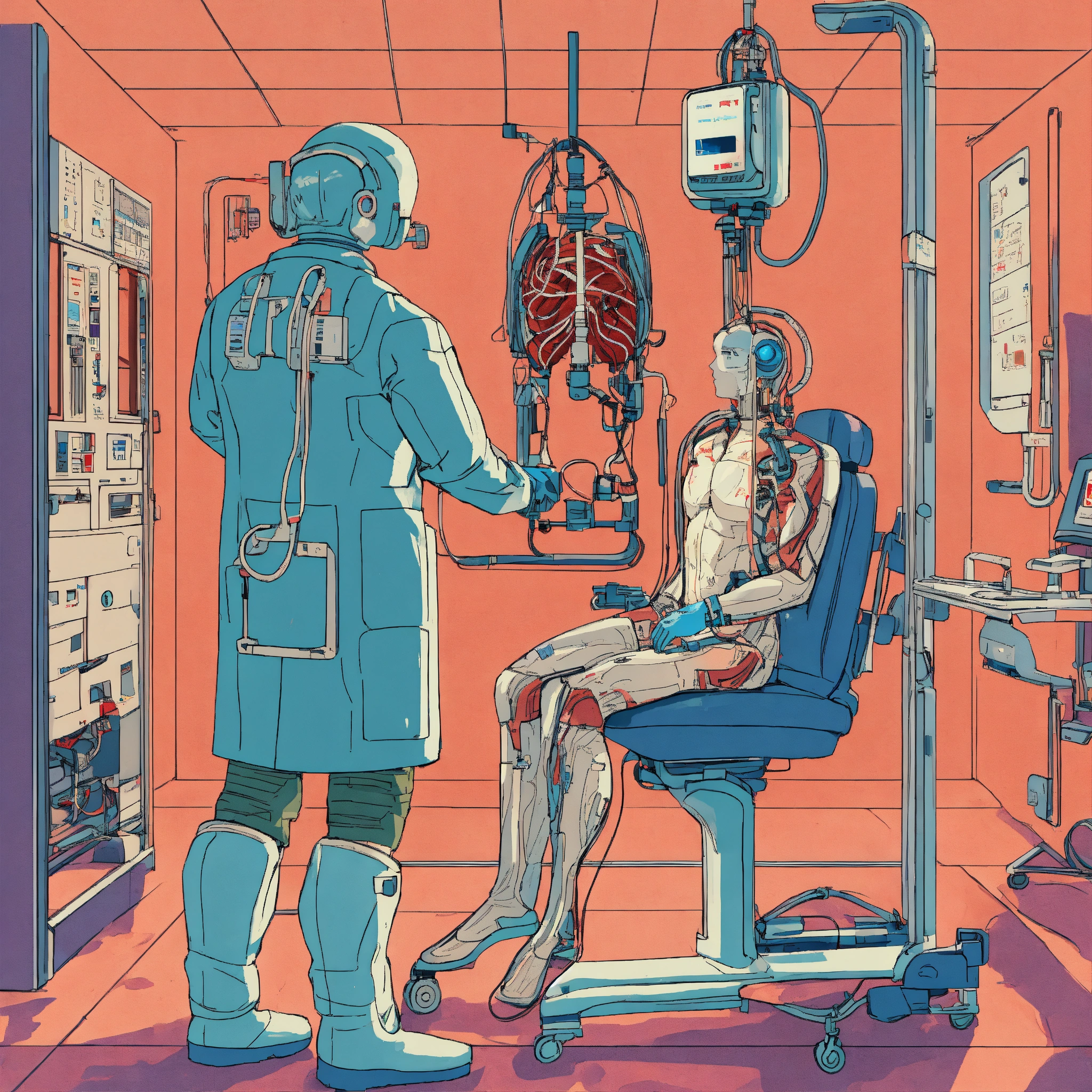
2. AI in Personalized Treatment and Drug Discovery
Another groundbreaking use of AI in healthcare is personalized medicine. AI can analyze a patient’s genetic information, lifestyle, and medical history to recommend customized treatment plans. This approach minimizes trial-and-error methods and ensures patients receive the most effective treatments with minimal side effects.
Additionally, AI in healthcare is transforming drug discovery. AI algorithms can analyze vast datasets to identify potential drug candidates, speeding up the development process. Companies like BenevolentAI and Atomwise use AI to discover new drugs, reducing the time and cost associated with traditional drug development.
3. AI in Robotic Surgery
Robotic-assisted surgery is another area where AI in healthcare is making a significant impact. AI-powered surgical robots, like the da Vinci Surgical System, enhance precision and minimize invasiveness during operations. These robots assist surgeons by providing real-time data analysis, improving accuracy, and reducing recovery time for patients.
With AI in healthcare, robotic surgery reduces human error, ensures better patient outcomes, and allows for minimally invasive procedures. The integration of AI with robotics is setting new standards in surgical excellence.
4. AI in Virtual Health Assistants and Chatbots
AI-powered chatbots and virtual health assistants are improving patient engagement by providing instant medical guidance. These AI tools can schedule appointments, remind patients to take medications and answer health-related queries. Popular AI health assistants like Ada, Babylon Health, and Woebot are helping bridge the gap between patients and healthcare providers.
The use of AI in healthcare chatbots ensures patients receive timely assistance, reducing the burden on medical professionals and improving access to healthcare services. These AI-driven assistants provide round-the-clock support, making healthcare more accessible and efficient.
5. AI in Predicting Disease Outbreaks
AI is playing a crucial role in predicting and preventing disease outbreaks. AI models analyze global health data, weather patterns, and population movement to predict the spread of diseases such as flu and COVID-19. AI-driven platforms detected early signs of the COVID-19 outbreak before it became a global crisis.
By leveraging AI in healthcare, public health officials can take proactive measures to prevent pandemics, ensuring better preparedness and response to potential health crises.
6. AI in Mental Health Support
Mental health is a growing concern, and AI in healthcare is offering innovative solutions. AI-powered therapy apps like Wysa and Woebot use natural language processing (NLP) to provide mental health support and counseling. These AI-driven apps help individuals manage stress, anxiety, and depression by offering personalized guidance and coping strategies.
With AI in healthcare, mental health support becomes more accessible, allowing individuals to seek help without stigma. However, AI should complement human therapists rather than replace them to ensure comprehensive mental healthcare.
7. Ethical Considerations and Challenges of AI in Healthcare
While the benefits of AI in healthcare are immense, there are ethical concerns that need to be addressed. Some of the major challenges include:
- Data Privacy: AI systems collect and store vast amounts of patient data, raising concerns about data security and confidentiality.
- Bias in AI Algorithms: AI models may inherit biases from training data, leading to disparities in diagnosis and treatment.
- Regulatory Compliance: The adoption of AI in healthcare must align with legal and ethical standards to ensure patient safety.
- Human Oversight: AI should assist, not replace, medical professionals to maintain trust and accountability in healthcare.
Addressing these challenges will be crucial in ensuring the responsible use of AI in healthcare while maximizing its potential benefits.

Conclusion
The impact of AI in healthcare is undeniable. From early disease detection to robotic surgery and mental health support, AI is revolutionizing medical care. As AI continues to evolve, it will play an even more significant role in improving patient outcomes, reducing healthcare costs, and making medical services more accessible.
However, to fully harness the potential of AI in healthcare, ethical considerations and data privacy issues must be carefully managed. By striking a balance between innovation and ethical responsibility, AI will continue to transform the healthcare industry for the better.
With rapid advancements, AI in healthcare is paving the way for a smarter, more efficient, and patient-centric medical ecosystem. The future of healthcare is AI-driven, and its impact will only grow stronger in the years to come.
0 comments:
Post a Comment