Artificial Intelligence (AI) is revolutionizing education, making learning more personalized, efficient, and accessible. With advancements in AI, the education sector is experiencing a shift toward smart classrooms, adaptive learning, and automated administrative processes. The future of AI in education promises even greater innovations, enhancing student engagement and teacher effectiveness.
In this article, we will explore the future of AI in education, its potential impact, and how it is set to redefine the learning experience.
1. Personalized and Adaptive Learning
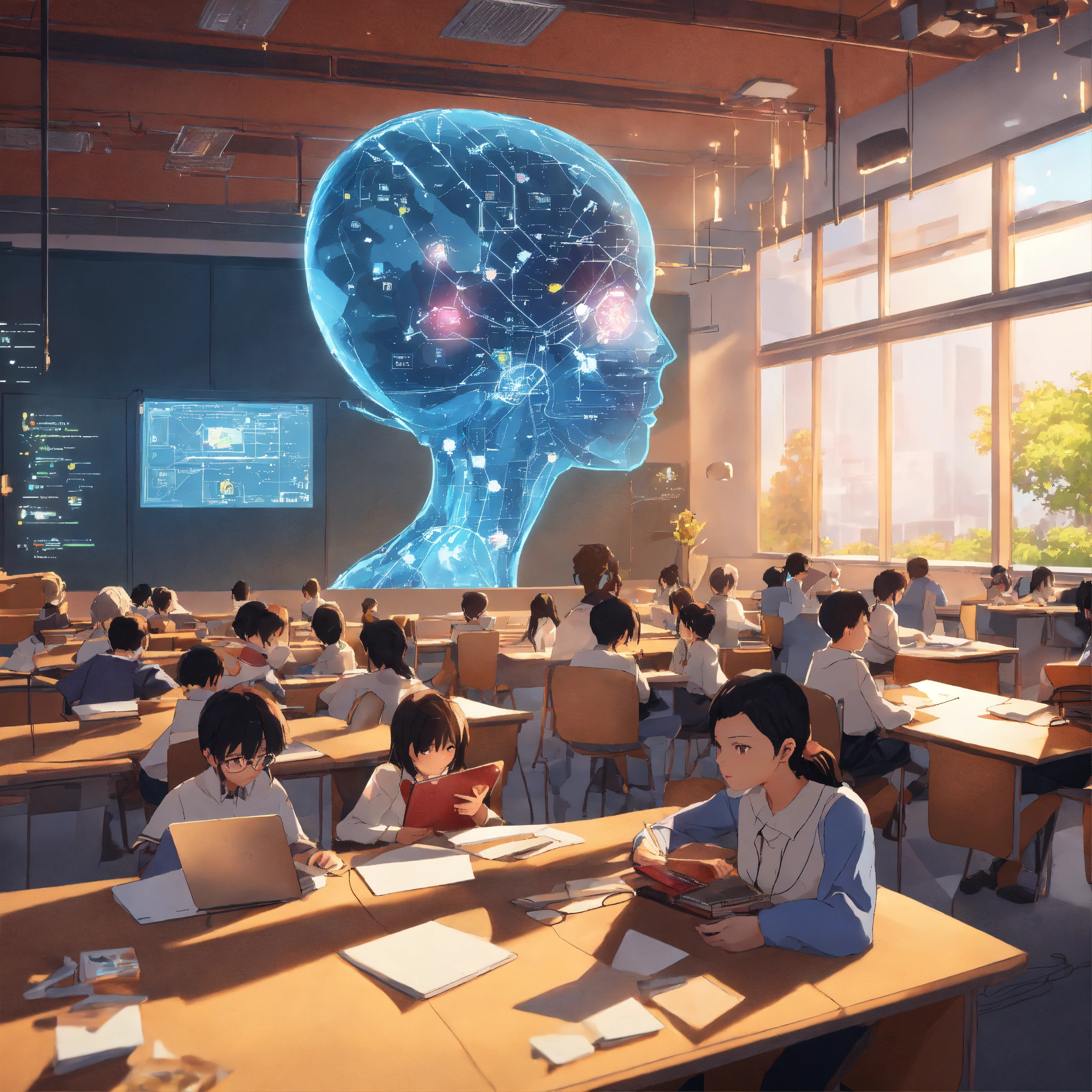
One of the most significant aspects of the future of AI in education is personalized and adaptive learning. AI-powered platforms analyze students' learning patterns, strengths, and weaknesses to create customized learning experiences.
- AI algorithms adjust content difficulty based on student performance.
- Personalized recommendations help students focus on areas that need improvement.
- Virtual tutors provide 24/7 assistance, ensuring continuous learning.
The future of AI in education will see advanced AI systems that offer even more accurate and personalized learning paths, making education truly student-centric.
2. AI-Powered Virtual Tutors and Chatbots
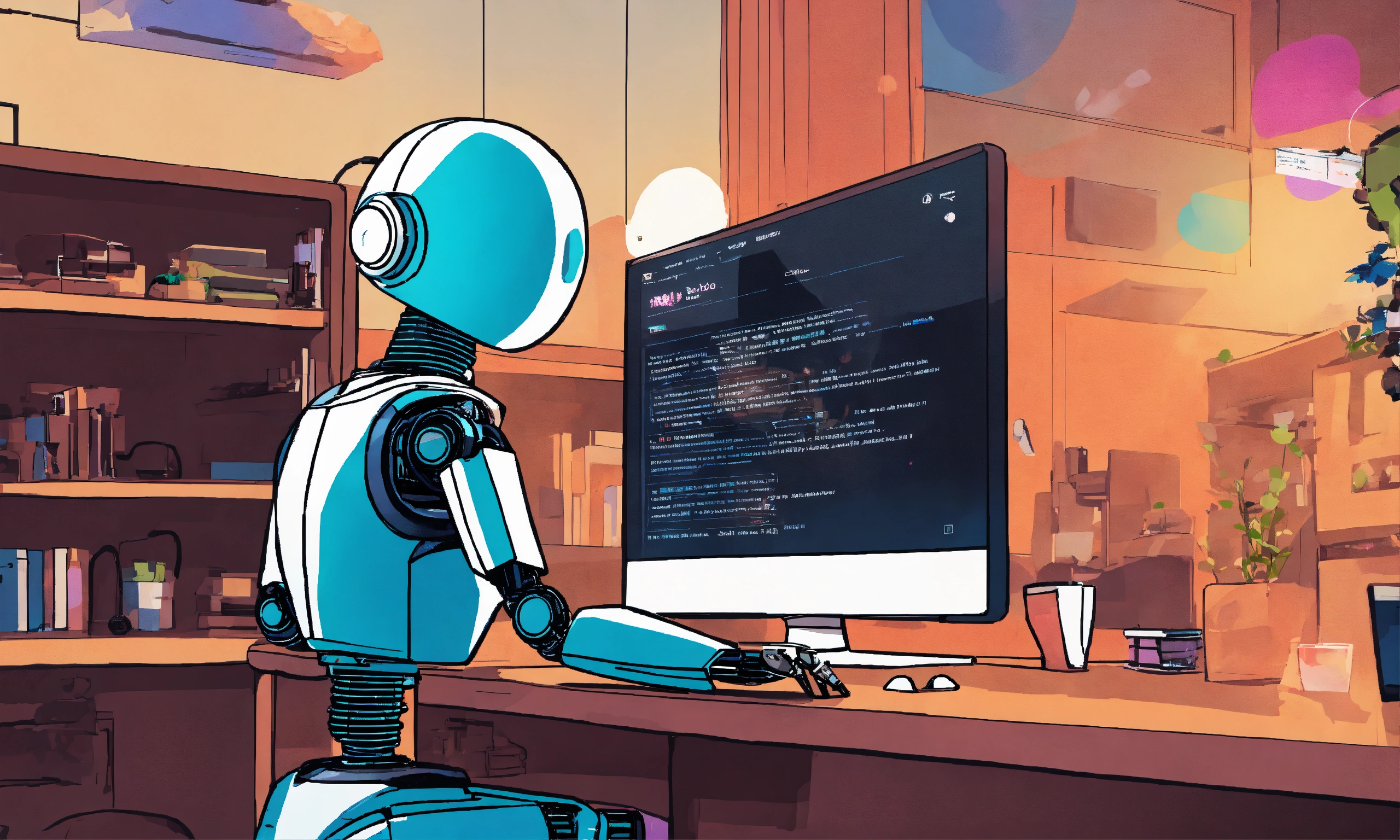
AI-driven virtual tutors and chatbots are already transforming how students receive academic assistance. These AI-powered tools provide instant answers to questions, helping students grasp concepts more effectively.
In the future of AI in education, chatbots will become more interactive and intelligent. They will:
- Use natural language processing (NLP) to understand student queries better.
- Provide real-time feedback on assignments and exams.
- Act as virtual mentors, guiding students through complex subjects.
With the integration of AI, learning will become more interactive, engaging, and efficient.
3. Smart Classrooms and AI-Powered Learning Environments
The future of AI in education will bring the concept of smart classrooms to life. AI will play a vital role in:
- Automating attendance tracking through facial recognition.
- Enhancing collaboration through AI-powered group learning tools.
- Creating interactive and immersive learning experiences with augmented reality (AR) and virtual reality (VR).
AI-driven smart classrooms will ensure that students stay engaged while teachers can focus on more strategic aspects of education.
4. AI in Automated Grading and Assessment
Teachers spend a significant amount of time grading assignments and exams. The future of AI in education will eliminate this challenge by automating grading and assessment.
- AI-powered systems will evaluate written assignments and provide detailed feedback.
- Machine learning algorithms will detect patterns in student performance and suggest improvements.
- AI will ensure unbiased grading, reducing human errors.
This will allow educators to concentrate on teaching and mentoring rather than administrative tasks.
5. AI for Administrative Efficiency
Apart from transforming classrooms, AI will also streamline administrative operations in schools and universities. The future of AI in education will include:
- AI-powered systems for managing student records.
- Automated admission and enrollment processes.
- AI-driven analytics for predicting student success and retention rates.
With AI handling these tasks, institutions can operate more efficiently while improving the overall learning experience.
6. AI in Career Guidance and Skill Development
The future of AI in education will extend beyond academics, helping students choose the right career paths. AI-driven career counseling platforms will:
- Analyze student interests and skills to suggest suitable careers.
- Provide insights into job market trends and industry demands.
- Offer personalized learning recommendations to develop relevant skills.
AI will play a crucial role in preparing students for the future workforce by aligning their education with career goals.
7. AI and Ethical Challenges in Education
While AI offers numerous benefits, the future of AI in education also raises ethical concerns that need to be addressed. Key challenges include:
- Data Privacy: AI collects vast amounts of student data, raising concerns about security and misuse.
- Bias in AI Algorithms: If AI is trained on biased data, it may affect fair learning opportunities.
- Over-Reliance on AI: Excessive dependence on AI tools may reduce critical thinking and creativity in students.
Educational institutions must implement strict ethical guidelines to ensure responsible AI usage.
8. AI and the Future of Remote Learning
The COVID-19 pandemic accelerated the adoption of online learning, and the future of AI in education will further enhance remote learning experiences. AI-powered platforms will:
- Provide real-time translation for multilingual students.
- Offer AI-driven peer learning communities for collaboration.
- Use AI analytics to track student engagement and improve content delivery.
AI will make remote learning more effective, inclusive, and engaging for students worldwide.
9. The Future of AI-Powered Gamification in Learning
Gamification is becoming a powerful tool in education, and AI will make it even more impactful. The future of AI in education will see AI-driven gamified learning experiences that:
- Adapt games based on individual learning progress.
- Provide instant feedback to keep students motivated.
- Use AI-powered simulations for real-world skill development.
AI-driven gamification will make learning more enjoyable and improve knowledge retention.
10. AI’s Role in Enhancing Teacher Efficiency
Teachers will continue to play an essential role in education, but AI will act as an assistant to enhance their efficiency. The future of AI in education will include AI-driven tools that:
- Help teachers identify struggling students early.
- Provide AI-generated lesson plans based on student needs.
- Automate repetitive tasks, allowing teachers to focus on student engagement.
AI will not replace teachers but will empower them with advanced tools to improve teaching effectiveness.
Conclusion
The future of AI in education is full of possibilities that will reshape how students learn and teachers instruct. From personalized learning and AI tutors to automated grading and smart classrooms, AI will make education more accessible, efficient, and engaging.
However, ethical concerns such as data privacy and AI bias must be addressed to ensure fair and responsible AI integration. As AI continues to evolve, its role in education will become even more significant, making learning smarter, more interactive, and tailored to individual needs.
The future of AI in education is not just about technology—it’s about creating a world where learning is accessible to all, empowering students with the knowledge and skills they need to succeed.
0 comments:
Post a Comment