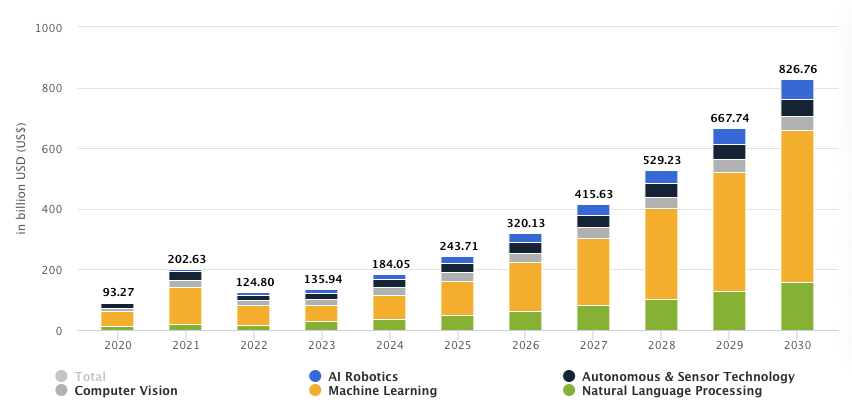
Your Gateway to the Future of AI and Innovation Unlock the power of AI and innovation with cutting-edge technology, shaping the future today

How to Master AI Tools for Business

Introduction

Artificial Intelligence (AI) is transforming the business landscape, enabling companies to automate processes, gain valuable insights, and improve efficiency. In 2025, mastering AI tools for business is essential for entrepreneurs, marketers, and decision-makers who want to stay ahead of the competition. This guide explores the best ways to learn and implement AI tools effectively in business operations.

1. Understanding the Role of AI in Business

Before diving into AI tools, it’s important to understand their impact on various business functions, including:

  • Marketing & Sales: AI-powered chatbots, customer segmentation, and personalized recommendations.
  • Operations & Automation: Workflow automation, predictive maintenance, and smart supply chains.
  • Finance & Analytics: Fraud detection, financial forecasting, and automated reporting.
  • Customer Support: AI-driven chatbots and sentiment analysis for improved customer experience.

By understanding AI’s applications, businesses can strategically integrate the right tools for maximum efficiency.

2. Learn the Basics of AI and Machine Learning

To effectively use AI tools, it helps to grasp foundational AI concepts. Focus on:

  • Machine Learning (ML): How AI systems learn from data and improve over time.
  • Natural Language Processing (NLP): AI’s ability to understand and process human language.
  • Computer Vision: AI’s capability to analyze images and videos.

Online courses from Coursera, Udacity, and IBM AI Academy provide excellent learning resources for beginners.



3. Explore Essential AI Tools for Business

There are various AI-powered tools designed to enhance business efficiency. Some of the most popular ones include:

  • Marketing & Sales:

    • HubSpot (AI-driven marketing automation)
    • Salesforce Einstein (AI-powered CRM)
    • ChatGPT & Jasper (AI content generation)
  • Data Analytics & Insights:

    • Google Analytics (AI-powered business insights)
    • Tableau (Data visualization and AI-powered analytics)
    • IBM Watson (Advanced AI for business intelligence)
  • Automation & Productivity:

    • Zapier (AI-driven workflow automation)
    • UiPath (Robotic Process Automation - RPA)
    • Microsoft Power Automate (Business process automation)
  • Customer Support:

    • Drift (AI-powered chatbots and lead generation)
    • Zendesk AI (Customer service automation)
    • LivePerson (AI-enhanced customer conversations)

4. Hands-on Practice with AI Tools

Once you’ve identified the right AI tools for your business, the next step is practical implementation. Here’s how:

  • Start with Free Trials: Many AI tools offer free trials or demo versions—explore them before committing.
  • Experiment with AI Features: Use AI-driven insights, automation, and customer engagement features.
  • Analyze Performance: Track key metrics like conversion rates, engagement, and time saved using AI.
  • Integrate AI Tools with Business Software: Ensure seamless connectivity with existing CRM, ERP, or e-commerce platforms.

5. Leverage AI for Decision Making

AI can enhance decision-making by providing data-driven insights. Businesses can use AI to:

  • Analyze customer behavior and preferences.
  • Optimize pricing strategies through predictive analytics.
  • Enhance inventory management with demand forecasting.
  • Improve customer service with AI chatbots and sentiment analysis.

By integrating AI into decision-making processes, businesses can increase efficiency and gain a competitive edge.

6. Stay Updated with AI Trends and Innovations

AI is continuously evolving, and staying informed about new developments is crucial. To stay ahead:

  • Follow AI Research & Blogs: Read publications like Towards Data Science, OpenAI Blog, and MIT Technology Review.
  • Attend AI Webinars & Conferences: Events like AI Summit and Google Cloud AI events offer valuable insights.
  • Join AI Communities: Engage with AI professionals on LinkedIn, Reddit, and GitHub to learn best practices.

7. Upskill Your Team with AI Training

For businesses to fully leverage AI, employees must be AI-literate. Encourage your team to:

  • Take AI training courses on Udemy, Coursera, and LinkedIn Learning.
  • Participate in AI workshops and certification programs.
  • Use AI-powered collaboration tools like Slack AI and Notion AI for enhanced productivity.

Conclusion

Mastering AI tools for business in 2025 is essential for optimizing operations, enhancing decision-making, and staying competitive. By understanding AI’s impact, exploring the right tools, and applying them strategically, businesses can unlock new levels of efficiency and growth. Whether you’re an entrepreneur or a corporate leader, integrating AI into your business strategy is a step toward future success.

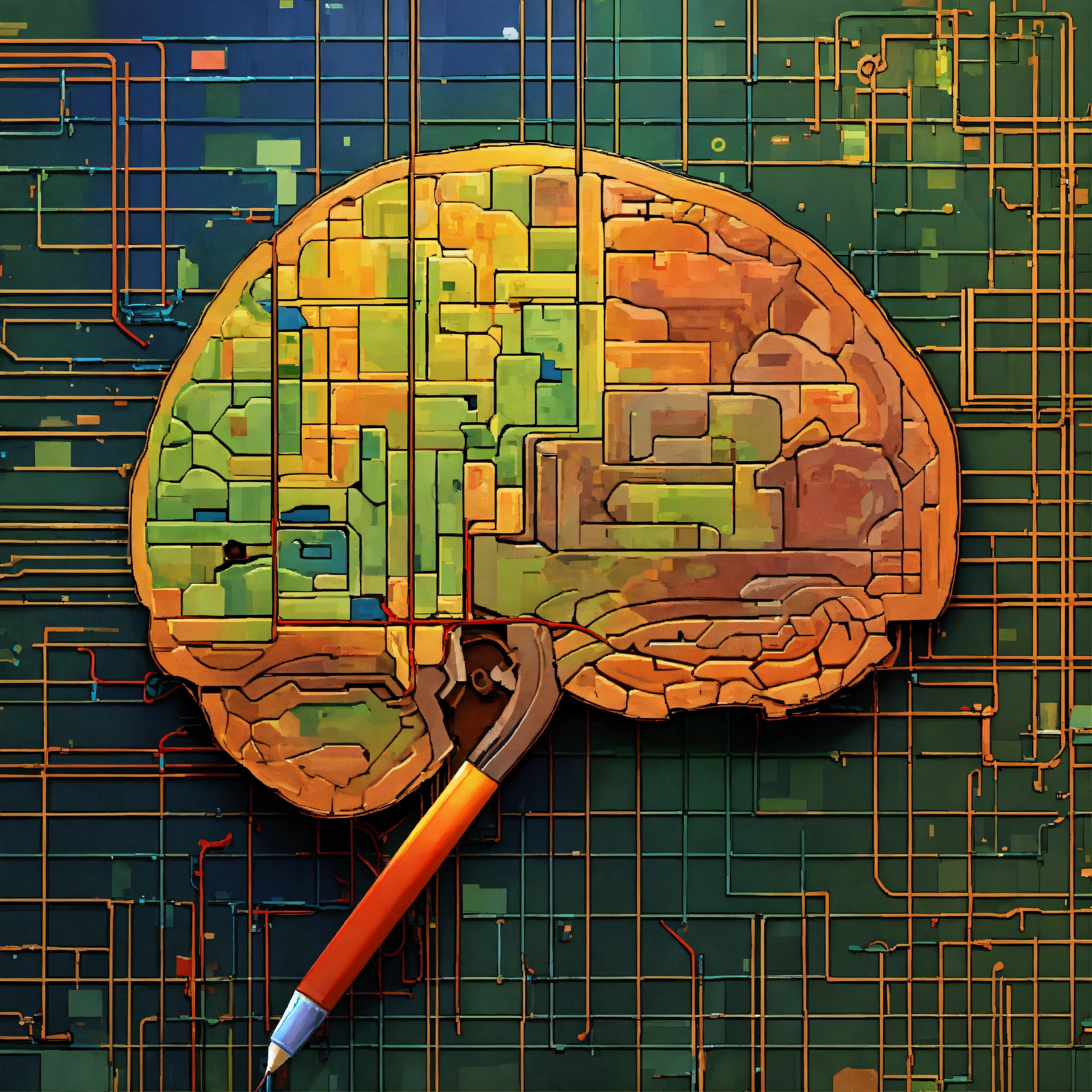

How to Learn AI From Scratch in 2025?


Introduction

Artificial Intelligence (AI) is one of the most sought-after skills in today's tech-driven world. Whether you are a beginner or a professional looking to upskill, learning AI from scratch in 2025 is more accessible than ever. With AI transforming industries like healthcare, finance, and e-commerce, acquiring AI knowledge can open doors to lucrative career opportunities. This article will provide a step-by-step guide to learning AI from scratch.

Step 1: Understand the Basics of AI

Before diving into technical aspects, it's essential to grasp AI fundamentals:

  • What is AI? AI is the simulation of human intelligence in machines.
  • Types of AI: Narrow AI, General AI, and Super AI.
  • Key AI Components: Machine learning, deep learning, natural language processing (NLP), and computer vision.

Several free online resources, such as YouTube tutorials and blogs, can help you build a strong theoretical foundation.


Step 2: Learn Programming Languages for AI

To work with AI, you need programming skills. The most popular languages for AI development are:

  • Python: The most widely used AI programming language due to its simplicity and extensive libraries (TensorFlow, PyTorch, Scikit-learn).
  • R: Used for data analysis and machine learning.
  • Java & C++: Often used in AI applications that require high performance.

Step 3: Study Mathematics for AI

AI relies heavily on mathematical concepts. The key areas to focus on are:

  • Linear Algebra: Matrices, vectors, and transformations.
  • Probability & Statistics: Essential for machine learning algorithms.
  • Calculus: Derivatives and gradients for optimization.

Online courses from platforms like Khan Academy and Coursera can help you strengthen your mathematical foundation.

Step 4: Get Familiar with Machine Learning

Machine learning (ML) is a core part of AI. To get started:

  1. Learn about supervised, unsupervised, and reinforcement learning.
  2. Study popular ML algorithms like decision trees, neural networks, and regression models.
  3. Experiment with ML frameworks like Scikit-learn, TensorFlow, and PyTorch.

Hands-on practice through small projects will improve your understanding.

Step 5: Explore Deep Learning

Deep learning is an advanced subset of ML that powers applications like self-driving cars and language translation. To learn deep learning:

  • Understand artificial neural networks (ANNs) and how they work.
  • Study convolutional neural networks (CNNs) for image processing.
  • Learn recurrent neural networks (RNNs) for natural language processing.

Online courses from Udacity and DeepLearning.AI provide excellent deep learning tutorials.

Step 6: Work on AI Projects

Practical experience is crucial for mastering AI. Some beginner-friendly AI projects include:

  • Building a chatbot using Python and NLP.
  • Creating a recommendation system for movies or e-commerce.
  • Implementing an image recognition model using TensorFlow.

Working on real-world projects helps reinforce your learning and build your portfolio.

Step 7: Participate in AI Competitions

AI competitions help improve your skills and gain exposure. Some popular platforms include:

  • Kaggle: Offers datasets and AI challenges.
  • Google Colab: Provides a cloud-based environment for AI experiments.
  • Hackathons: Participate in AI-focused hackathons to solve real-world problems.

Step 8: Stay Updated with AI Trends

AI is evolving rapidly, so staying up-to-date is essential. Follow AI blogs, research papers, and podcasts. Some valuable resources include:

  • ArXiv: A repository of AI research papers.
  • Towards Data Science: A blog featuring AI case studies.
  • AI Podcasts: Listen to experts discuss AI advancements.


Conclusion

Learning AI from scratch in 2025 is an exciting and achievable goal. By following a structured approach—starting from fundamentals, mastering programming and math, exploring ML and deep learning, and working on projects—you can build a strong foundation in AI. Consistency and hands-on practice are key to becoming proficient in AI and securing opportunities in this fast-growing field.


Why Should You Learn Artificial Intelligence in 2025?


Introduction

Artificial Intelligence (AI) is no longer just a futuristic concept; it is an essential technology that is transforming industries, automating processes, and enhancing decision-making. As we step into 2025, AI continues to evolve, creating numerous opportunities for professionals across various fields. Whether you are a student, entrepreneur, or working professional, learning AI can provide you with a competitive edge in the job market and help you stay ahead in the tech-driven world.

The Growing Importance of AI

AI is rapidly becoming a fundamental part of various industries, from healthcare and finance to education and entertainment. With increasing demand for AI-driven solutions, companies are investing heavily in AI research and development. As a result, AI-related job opportunities are on the rise, making it a valuable skill to learn in 2025.


Reasons to Learn AI in 2025

1. High Demand for AI Professionals

The demand for AI professionals is growing exponentially. Companies are actively seeking AI experts, data scientists, and machine learning engineers to develop innovative solutions. By learning AI, you increase your chances of landing high-paying jobs in leading tech firms.

2. AI is Transforming Every Industry

AI is not limited to tech companies; it is revolutionizing various sectors:

  • Healthcare: AI-powered diagnostics, robotic surgeries, and predictive analytics.
  • Finance: Fraud detection, automated trading, and customer support chatbots.
  • E-commerce: Personalized recommendations, chatbots, and visual search.
  • Education: AI-driven learning platforms and automated grading systems.
  • Transportation: Self-driving cars and AI-powered traffic management.

3. Lucrative Career Opportunities

AI specialists command high salaries due to the technical expertise required. Roles such as AI engineer, machine learning specialist, and data scientist offer competitive salaries, making AI a lucrative career choice.

4. AI Skills Enhance Problem-Solving Abilities

AI involves working with data, algorithms, and automation, which enhances problem-solving and critical-thinking skills. These skills are valuable in various fields, even outside AI-centric roles.

5. AI Will Be a Core Skill for Future Jobs

With the integration of AI into daily life, many traditional jobs will require AI knowledge. Learning AI now ensures you remain relevant and adaptable to future job market changes.

6. AI Helps in Innovation and Entrepreneurship

If you are an entrepreneur or innovator, AI can help you develop groundbreaking products and services. AI-driven startups are gaining attention worldwide, making it an exciting field for aspiring entrepreneurs.

7. AI is Becoming More Accessible

With numerous online courses, certifications, and AI tools available, learning AI has never been easier. Platforms like Coursera, Udacity, and Google AI offer beginner-friendly AI courses to help you get started.

How to Get Started with AI

1. Learn the Basics

Start by understanding AI fundamentals, including machine learning, deep learning, and natural language processing.

2. Gain Hands-on Experience

Practice with AI tools and frameworks like TensorFlow, PyTorch, and OpenAI. Work on small projects to develop practical skills.

3. Take Online Courses and Certifications

Enroll in online AI courses from platforms like Coursera, Udacity, and edX. Certifications from companies like Google, IBM, and Microsoft can boost your resume.

4. Join AI Communities and Forums

Engage with AI communities, attend AI conferences, and participate in hackathons to gain insights and network with professionals.

5. Build AI Projects

Apply your knowledge by developing real-world AI applications. Work on projects like chatbots, image recognition models, or AI-driven automation tools.

Conclusion

AI is shaping the future, and learning it in 2025 can open doors to countless opportunities. Whether you want a high-paying job, develop innovative solutions, or future-proof your career, AI is a skill worth mastering. By investing time in learning AI now, you can stay ahead in the fast-paced digital world and contribute to the technological advancements of the future.


Understanding Artificial Intelligence (AI)


Introduction

Artificial Intelligence (AI) is one of the most revolutionary technologies of the 21st century. It is reshaping industries, enhancing automation, and improving decision-making processes. From voice assistants like Siri and Alexa to self-driving cars and advanced robotics, AI is becoming an integral part of our daily lives. But what exactly is AI, and how does it work? In this article, we will explore the fundamentals of AI, its applications, benefits, and challenges.

What is Artificial Intelligence?

Artificial Intelligence (AI) refers to the simulation of human intelligence in machines. These machines are programmed to think, learn, and make decisions, mimicking human cognitive functions. AI is built using various technologies, including machine learning (ML), natural language processing (NLP), deep learning, and computer vision.

Types of Artificial Intelligence

AI can be broadly classified into three categories:

1. Narrow AI (Weak AI)

Narrow AI is designed to perform specific tasks efficiently. Examples include chatbots, recommendation systems, and facial recognition technology. These AI systems operate within predefined parameters and cannot perform tasks beyond their programming.

2. General AI (Strong AI)

General AI refers to machines with human-like cognitive abilities. These AI systems can learn, reason, and solve problems across different domains without specific programming. General AI remains a theoretical concept and is not yet fully realized.

3. Super AI

Super AI surpasses human intelligence in every aspect, including problem-solving, decision-making, and creativity. This form of AI is purely hypothetical and often depicted in science fiction.

How Does AI Work?

AI systems function using algorithms and data to recognize patterns, make predictions, and improve over time. The key components of AI include:

  • Machine Learning (ML): A subset of AI that enables systems to learn from data and improve performance without explicit programming.
  • Deep Learning: A more advanced form of ML that uses artificial neural networks to analyze complex patterns in large datasets.
  • Natural Language Processing (NLP): AI’s ability to understand and generate human language, as seen in virtual assistants and chatbots.
  • Computer Vision: AI’s capability to process and interpret visual information, used in facial recognition and autonomous vehicles.

Applications of AI

AI has numerous applications across various industries, including:

1. Healthcare

  • AI-powered diagnostics and predictive analytics help doctors detect diseases early.
  • Robotic-assisted surgeries improve precision and reduce human errors.
  • AI chatbots provide virtual health assistance.

2. Finance

  • AI-driven fraud detection helps prevent cyber threats.
  • Automated trading systems analyze market trends and make stock predictions.
  • AI chatbots assist customers with banking queries.

3. E-commerce

  • AI recommendation systems personalize shopping experiences.
  • AI chatbots enhance customer service.
  • Visual search enables users to find products using images.

4. Education

  • AI-driven learning platforms offer personalized education.
  • Automated grading systems save teachers time.
  • AI-powered chatbots provide instant academic assistance.

5. Transportation

  • Self-driving cars use AI for navigation and decision-making.
  • AI-powered traffic management systems reduce congestion.
  • AI enhances logistics and supply chain efficiency.

Benefits of AI

AI offers several benefits, including:

  • Increased Efficiency: AI automates repetitive tasks, reducing human workload.
  • Accuracy and Precision: AI minimizes human errors, improving decision-making.
  • Cost Savings: Automation leads to lower operational costs.
  • Personalization: AI-driven recommendations enhance user experiences.
  • Innovation: AI fosters advancements in various industries.

Challenges of AI

Despite its advantages, AI comes with challenges:

  • Job Displacement: AI automation may lead to job losses in some sectors.
  • Ethical Concerns: Issues like bias in AI algorithms and data privacy raise ethical questions.
  • Security Risks: AI-powered cyber attacks pose threats to digital security.
  • High Implementation Costs: Developing and maintaining AI systems can be expensive.

The Future of AI

The future of AI looks promising, with advancements in deep learning, robotics, and quantum computing. Researchers are working on making AI more ethical, transparent, and efficient. As AI continues to evolve, it will further integrate into our daily lives, revolutionizing industries and shaping the future.

Conclusion

Artificial Intelligence is a transformative technology with vast potential. From healthcare to finance, AI is making a significant impact across various fields. However, it also presents challenges that must be addressed for responsible and ethical AI development. As AI continues to evolve, its role in shaping the future will be indispensable. Staying informed about AI advancements will help individuals and businesses leverage its benefits while mitigating its risks.


The Ultimate Guide to Learning Artificial Intelligence (AI)

Artificial Intelligence (AI) is transforming the world at an unprecedented rate. From self-driving cars to personalized recommendations, AI is revolutionizing the industry and shaping the future. Whether a student, developer, or enthusiast looks to break into the AI space, mastering AI can open doors to exciting opportunities. This guide walks through the essential steps to effectively learn AI.

Understanding the Basics of AI

Before exploring AI, it is important to understand its fundamental concepts. AI refers to machines that can perform tasks that typically require human intelligence, such as problem solving, learning, and decision-making. AI is broadly categorized as follows.

Machine Learning (ML): AI systems that learn from data and improve their performance over time.

Deep Learning: A subset of ML that uses neural networks to analyze vast amounts of data.

Natural Language Processing (NLP): AI’s ability to understand and generate human language.

Computer Vision: AI’s capability to process and analyze visual information.

Familiarizing oneself with these concepts will help you navigate the AI landscape more efficiently.

Step 1: Learn Python for AI Development

Python is the most popular programming language used for AI and ML development. Its simplicity and extensive library make it ideal for AI applications. Some essential Python libraries for AI include the following.

NumPy & Pandas: For data manipulation and analysis.

Matplotlib and Seaborn: For data visualization.

Scikit-Learn: machine learning models.

TensorFlow and PyTorch: Deep learning and neural networks.

Resources to get started.

Google’s Python Course (Free)

Codecademy’s Python Course

Kaggle’s Python tutorials

Step 2: Master the Mathematics Behind AI

AI relies significantly on mathematical concepts. Understanding the following areas will strengthen the AI foundation:

Linear Algebra: Matrices, vectors, and eigenvalues.

Probability and statistics: Bayes’ theorem, distributions, and hypothesis testing.

Calculus: Derivatives, integrals, and gradient descent.

You can find great resources on platforms such as Khan Academy, MIT OpenCourseWare, and 3Blue1Brown’s YouTube channel.

Step 3: Learn Machine Learning Algorithms

Machine Learning is at the core of AI. To become proficient, you should learn.

Supervised Learning: Linear regression, decision trees, and support vector machines (SVM).

Unsupervised Learning: K-means clustering, principal component analysis (PCA).

Reinforcement Learning: Q-learning and deep Q-networks (DQN).

A great starting point is Andrew Ng’s Machine Learning course on Coursera.

Step 4: Work on AI Projects

Applying your knowledge through hands-on projects is crucial to mastering AI. Some beginner-friendly AI projects include the following.

Spam Detection System using naive Bayes classification.

Handwritten Digit Recognition – Using the MNIST dataset.

Chatbots: Creating AI-driven conversational assistants.

Intermediate and advanced learners can build

AI-Powered Recommendation Systems (e.g., Netflix and Amazon).

Image Recognition Models for Facial Recognition.

Stock Price Prediction Models using time-series forecasting.

Datasets and project ideas can be found on Kaggle and GitHub.

Step 5: Explore Deep Learning and Neural Networks

Deep learning is a powerful subset of artificial intelligence (AI) that deals with neural networks. Frameworks like TensorFlow and PyTorch make it easy to implement deep learning models.

Topics to focus on:

Artificial Neural Networks (ANNs)

Convolutional Neural Networks (CNNs) are used in image processing.

Recurrent Neural Networks (RNNs) are used for sequential data analysis (e.g., speech recognition).

Courses such as Fast.ai’s Deep Learning for Coders are excellent resources.

Step 6: Implement AI in Web Development

If there is a background in web development, AI can be integrated into web applications. Technologies to Explore

Flask/Django: Build AI-powered Web apps.

TensorFlow.js: runs AI models in a browser.

Open AI’s GPT API: To integrate AI chatbots and content generation into websites.

Step 7: Stay Updated with AI Trends

AI is evolving rapidly; therefore, staying updated is essential. Following AI news, blogs and communities were as follows:

Towards Data Science (Medium Blog)

Google AI Blog

Open AI Research Papers

AI discussions on Reddit and LinkedIn

Conclusion

Mastering AI requires dedication; however, with the right resources and a structured approach, anyone can learn it. Whether you aim to build intelligent applications, automate processes, or advance in a technological career, AI skills will be invaluable. Start small, keep practicing, and stay curious—because the future belongs to AI, and you can be part of it!